Working in extreme temperatures: How to protect your feet from cold and heat

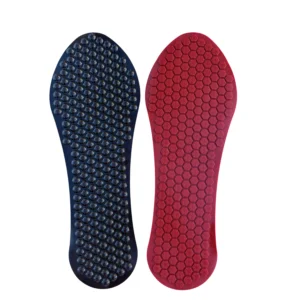
Semelles thermorégulatrices ClimFeet pour garder les pieds au chaud ou au frais pendant les longues journées de travail.

Working in challenging weather conditions is part of daily life for many professionals. Winter construction sites, poorly insulated warehouses, overheated workshops, or outdoor assignments in the summer—all take a toll on the feet, which are often the first to feel the effects of cold and heat. Yet their comfort is still too often overlooked, leading to discomfort, increased fatigue, reduced concentration… and even long-term pain.

With the right gear and a few simple habits, it’s possible to effectively protect your feet from both cold and heat.

Why foot temperature matters in the workplace

Feet are essential for maintaining balance and mobility throughout the day. When exposed to cold or heat, they can quickly become fatigued: numbness, muscle discomfort, and a feeling of heaviness can all affect concentration and performance.

  • In cold conditions,poorly protected feet can become numb, limit mobility, and increase the risk of joint pain.
  • In extreme heat,excessive sweating leads to discomfort, friction, and hotspots. Maintaining a stable foot temperature allows for more comfortable and more efficient work.

Maintaining a stable foot temperature therefore allows for more comfortable and efficient work.

A workplace safety issue recognized by regulations

Protecting feet at work is not just about comfort. It is an integral part of occupational risk prevention.

Since October 24, 2025, France has ratified Convention No. 155 of the International Labour Organization (ILO), which emphasizes the importance of workplace health and safety policies.
Its Article 16 reminds employers of their duty to ensure safe working conditions, protect employees from hazardous agents or conditions, and provide appropriate protective equipment whenever necessary..

In environments exposed to cold or heat, regulating foot temperature is therefore an integral part of this preventive obligation.

Choosing the right work shoes

Comfort starts with the right footwear.

    • In cold environments, choose insulated,water-resistant shoes that are suitable for your activity (safety, non-slip, steel-toed if necessary).
    • In hot or indoor environments, opt for breathableshoes while maintaining proper support for your feet.

However, be aware that shoes that are too rigid or poorly ventilated can worsen sensations of cold or heat. That’s why it’s important to complement your footwear with additional measures.

Moreover, simply choosing the right shoes is not enough to keep your feet within a comfortable temperature range all day.

Socks: More important than you might think

Socks play a major role in regulating foot temperature.

    • The merino wool is ideal for winter and mid-season use, as it retains warmth while wicking away moisture.
    • In hot conditions, breathable socks help limit sweating and reduce friction. 

Avoid cotton, which traps moisture and increases discomfort, no matter the season.

The key solution: Thermoregulating insoles

Even with good shoes and socks, the ground often remains a contributing factor : freezing in winter, heat building up in summer.

The ClimFeet insoles provide a simple and effective solution. Designed to adapt to extreme conditions, they:

  • help keep feet warm when temperatures drop;
  • provide a cooling effect when heat is excessive;
  • enhance overall comfort during long workdays.

Easy to fit into standard work or safety shoes, they quickly become an essential ally for those who spend long hours standing or on the move.

Taking care of your feet before and after work

Comfort also starts outside of working hours.

  • Before the workday: stretch and warm up your ankles and feet to stimulate circulation.
  • After work: washing your feet with lukewarm water, followed by thorough drying and a moisturizing cream, helps prevent irritation and cracking.

Well-cared-for feet recover better and are more resilient to demanding conditions.

In short:

Working in extreme temperatures shouldn’t mean discomfort. By combining appropriate footwear, technical socks, and ClimFeet insolesit’s possible to effectively protect your feet from both cold and heat. Workplace regulations and occupational risk prevention, now reinforced by ILO Convention No. 155,show that taking care of your feet is not a luxury, but a necessity for comfort, health, and performance at work.

Share this post:

Leave a comment

Your email address will not be published. Required fields are marked with *